
Which website should you choose when you’re self-employed in Luxembourg?
When you work alone, your website should save you time, explain what you do and make the first contact easy. It shouldn’t turn into a technical project you deal with in the evenings. Here is a simple method for choosing a professional online presence, with the right amount of content and a budget that’s easy to understand.
1. Start with your business goal
When you’re self-employed, you don’t need a website that tells the whole story. You need a page that quickly answers three questions: what do you do, who is it for and how can people reach you? Choose one main action: call, request a quote, book a call or visit your practice. That decision shapes the headline, the buttons and the order of the sections.The most common cases
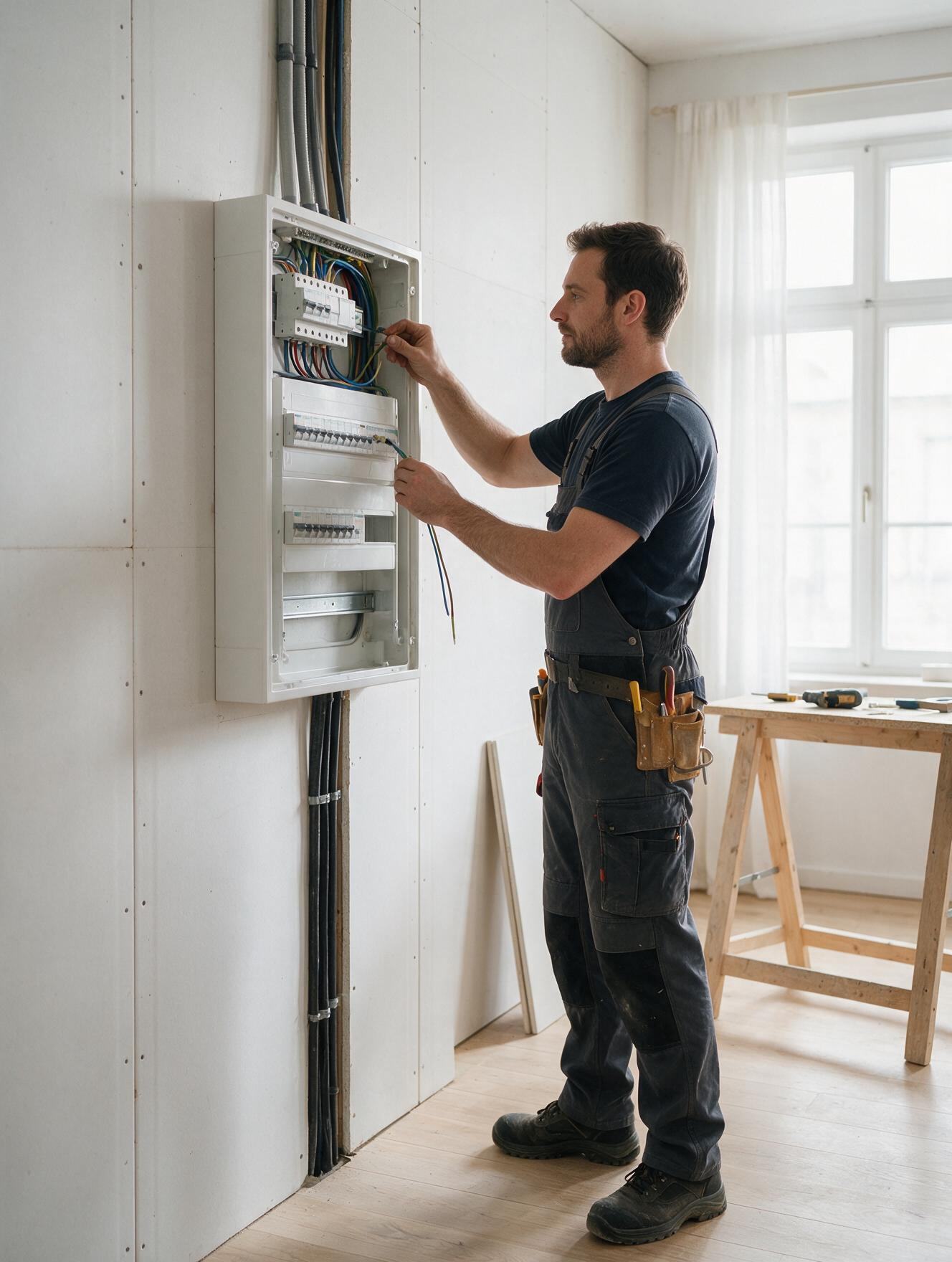
A tradesperson can highlight their services, the area they cover and a few real photos. A consultant needs to spell out the problems they solve and how they work with clients. Someone in a regulated profession mainly needs to reassure, explain the limits of what they can do and make booking an appointment simple. The format should follow the prospect’s journey, not a list of features.2. One page or several pages?
A one-page website works well when your offer is focused and visitors need to grasp the essentials in a few minutes. It lets you launch a solid foundation quickly. Several pages are the better choice if you have genuinely different services, distinct audiences, detailed case studies or separate search queries to target. Don’t create one page per town if the content is identical: it dilutes the value and can make for a repetitive experience.The minimum structure that works
Plan a results-focused headline, a short introduction, three to six service sections, verifiable proof, the area you cover, frequently asked questions and a call to action. Add the legal notice and privacy information your situation requires. Your copy should use your customers’ words, not just the jargon of your trade.3. What makes a website credible?
Credibility rarely comes from complex visual effects. It comes from a professional domain, a matching email address, a clean mobile layout, accurate contact details and precise copy. Authentic photos are better than stock images that look nothing like your business. Reviews, figures and logos should only appear if they are verifiable and you have permission to use them.4. What budget should you plan for?
Compare the total cost of the first year, then the renewal cost. Ask whether the copy, domain, hosting, email, HTTPS certificate, revisions and maintenance are included. A low price that leaves out all the content can cost you more in time and delays. On the other hand, a clearly defined package can suit a self-employed professional if it states its limits upfront: number of pages, standard features and rounds of revisions.5. How do you keep the timeline short without sacrificing quality?
Going live within 24 business hours is realistic for a business website that fits the format, with a proven structure, a completed questionnaire and content approved quickly. That doesn’t mean every project can be delivered in a day. A complex booking system, a client area, an online shop or an extensive multilingual setup need more design work and testing. Speed comes mainly from a clear scope and a well-prepared process.6. The role of AI in building your website
AI can help organise information, prepare a first draft or speed up the production of variations. It doesn’t automatically know your trade, your obligations or your customers. Every piece of copy must be reread, checked and adapted to your situation. What you are buying isn’t “AI”: it’s a website your prospects can understand, trust and use.7. Checklist before you publish
Check that the website has a single H1, descriptive headings, a unique title tag and meta description, working links and images with useful alt text. Test the form, phone number, email, pages on mobile and redirects. If you are targeting local customers, keep your contact details identical on your website and your public profiles. Then publish a few genuinely useful pieces of content rather than a series of near-identical pages.Frequently asked questions
Do you need a website as soon as you go self-employed?
Not always, but a clear website quickly becomes a point of reference for presenting your offer, getting recommended and making it easy to contact you. It complements social media and doesn’t depend on a news feed.
Is a one-page website enough for Google?
Yes, if it precisely matches what people are searching for and provides useful information. More pages don’t automatically mean better rankings; they are useful when topics deserve separate answers.
Can I start small and expand later?
Yes. A clean structure lets you add a service page, a fuller FAQ or an article later without rebuilding the whole navigation.
Your business deserves a clear online presence.
Tell us about your project: we’ll point you towards a one-page website or a fuller structure, depending on your business.
Describe my project ›